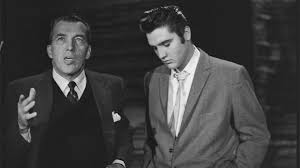
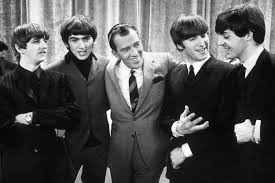
When you think of The Ed Sullivan Show, the first thing that comes to mind is the epic, iconic, inaugural American appearance of the Beatles that immediately became a massive game-changer in global pop culture. And if you go back a few years, there was a similar seismic moment when Elvis Presley first appeared on the CBS Sunday night variety show.
Through his decades of being the host, Ed Sullivan continued to transform the cultural landscape with the artists he chose to showcase, giving them huge national exposure to the large segment of the US population tuned in every week.
But what many people probably don’t know is that Ed Sullivan was also a major civil rights activist.
The new documentary Sunday Best: the Untold Story of Ed Sullivan (directed by Sacha Jenkins and now streaming on Netflix) reveals this fascinating aspect of his impact on society, one that was perhaps known at the time but is since been married in the sands of television history.
Sullivan grew up in Harlem in a hard-working Irish-American household when the area was predominantly Jewish and Irish. He started his career as a sportswriter who was then assigned to write about Broadway shows. He very quickly became familiar with the diverse entertainment landscape in New York City.
After he was tapped to host a radio show and then, just as television was emerging in the 1950s, a TV variety show. Being fairly unknown to the public and visibly awkward on camera, he needed some help, and turned to the vaudeville community he had known in Harlem.
With racism raging rampant through the South, and under pressure not to rock the segregation boat, Sullivan gave Black artists the spotlight on his show, inviting names we now know as legendary, but at the time were just starting out.
We’re talking about Bo Diddley, Billy Preston, The Supremes, Stevie Wonder, James Brown, Ike and Tina Turner, The Jackson 5, Gladys Knight & The Pips and The Temptations, just to name a few. Okay, here’s a few more, Harry Belafonte, Lena Horne, Nina Simone, Mahalia Jackson and Nat King Cole.
His actions of treating all of these artists with respect and dignity were bold and brave and cement his legacy as a formidable advocate for Black artists when white men –just like him – controlled the airwaves, and the dominant culture.
Among those providing current-day context of the important role Sullivan played in promoting racial equality and representation are Smokey Robinson, Dionne Warwick and Motown founder Berry Gordy.
Interestingly, the Ed Sullivan Theater in New York City is currently the home of The Late Show Starring Stephen Colbert. Both men have their unique place in television history, and now Sullivan’s is burnished with a legacy few can match.