How much adulation can a recording star get in just one week? Last weekend, Bad Bunny aka Benito Antonio Martínez Ocasio made history by winning the Grammy for Album of the Year. This weekend, he performed a Super Bowl halftime show that is destined to become legendary.
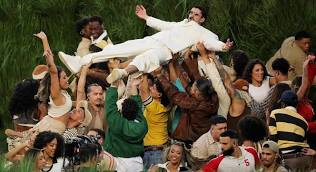
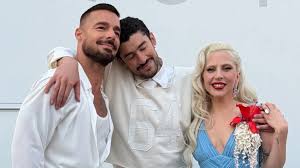
Bad Bunny used his on-field advantage to center Latin culture unapologetically. In a country where Spanish and Latino heritage are sometimes politicized, he turned that visibility into celebration. His staging — a living tableau of Puerto Rican life with dominoes, piraguas, family gatherings and even a wedding — symbolized community and pride. The jersey with “Ocasio 64” tied the personal to the historical, grounding the spectacle in his own roots.
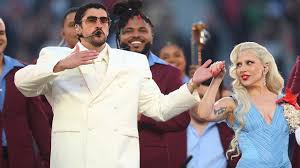
Lady Gaga and Ricky Martin’s surprise guest appearances highlighted unity across generations and genres. Gaga’s bilingual twist on her song and Martin’s performance bridged global pop with Latin identity, underscoring how music can dissolve cultural boundaries.
After opening with his 2022 hit “titi me pregunto” and odes to Puerto Rico and the Latin community, he closed out with DtMF (Debi tirar mas fotos, which translates to I should’ve taken more pictures), leading a large crowd of guests like a host leading a paranda during Christmas before holding up a football that read “Together, we are America.”
At that moment, as he wrapped the joyful, well-choreographed performance, which included his handing his Grammy to a young boy, the scoreboards throughout Levi Stadium in Santa Clara read in all caps, “The only thing more powerful than hate is love.”
From California Gov. Newsom declaring “Bad Bunny Day” to celebrities and athletes across communities raving about the show, the event resonated far beyond Latin audiences. It was both a victory lap for representation and a reminder that mainstream America now embraces Spanish lyrics and Latin rhythms as part of its soundscape.
In many ways, this halftime show will likely be remembered alongside Beyoncé’s 2016 “Formation” performance and Shakira and J.Lo’s 2020 set in which Bad Bunny was a supporting player — not just for artistry, but for what it meant. It wasn’t about spectacle alone; it was about cultural affirmation.