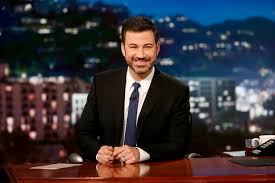
Since ABC took Jimmy Kimmel Live! off the air last Wednesday, the fallout has been swift and intense, triggering protests and heated debate across the media landscape. The network’s unprecedented move came after Kimmel’s Monday monologue commenting on the suspect in the tragic assassination of conservative activist Charlie Kirk sparked significant backlash, particularly from conservative circles. Kimmel had criticized what he called “the MAGA gang” and this wasn’t well received by the FCC, many conservative viewers, commentators, and some powerful affiliate stations.
Protests erupted outside Disney headquarters in LA and New York and several ABC affiliates, with supporters calling the suspension a form of political censorship and an attack on free speech. These demonstrations were echoed online, where hashtags supporting Kimmel and condemning ABC’s decision trended on social media for days. Late night hosts Stephen Colbert, Seth Meyers, Jon Stewart and Jimmy Fallon, along with other entertainers publicly rallied behind Kimmel, criticizing the network’s response as an overreach driven by political and corporate pressure rather than journalistic or creative considerations.
Former Disney CEO Michael Eisner has weighed in on the controversy. Known for his savvy in entertainment business, Eisner expressed his belief that the suspension highlights the precarious balancing act networks face in today’s polarized media environment. He suggested that ABC, owned by Disney, was trying to avoid risking its regulatory approvals amid pressure from the Federal Communications Commission and conservative station groups like Nexstar and Sinclair, who had threatened to pull the show from their stations altogether. Eisner’s perspective emphasized the complex interplay of corporate interests, political accountability, and public relations that likely drove the swift suspension decision.
Among those applauding the move are several conservative media personalities and some ABC affiliates themselves, who have argued that Kimmel’s remarks crossed a line of responsible commentary. These voices framed the action as a necessary step to uphold broadcast standards and public trust, while cautioning against entertainers using their platforms to make divisive political statements.
Looking ahead, the future for Jimmy Kimmel is uncertain but far from sealed. His contract with ABC and Disney extends through May 2026, and insiders speculate the show could return given the network’s considerable investment in him. However, an apology or some form of public reconciliation might be required to navigate the political and commercial pressures that led to the suspension. Meanwhile, Kimmel’s rumored upcoming stint at Brooklyn Academy of Music has gained extra importance, potentially serving as a critical platform for reconnecting with audiences. A shift in format, tone, or even a move to streaming platforms might also be on the horizon as Kimmel and his team strategize a comeback in an increasingly fraught late-night television landscape.