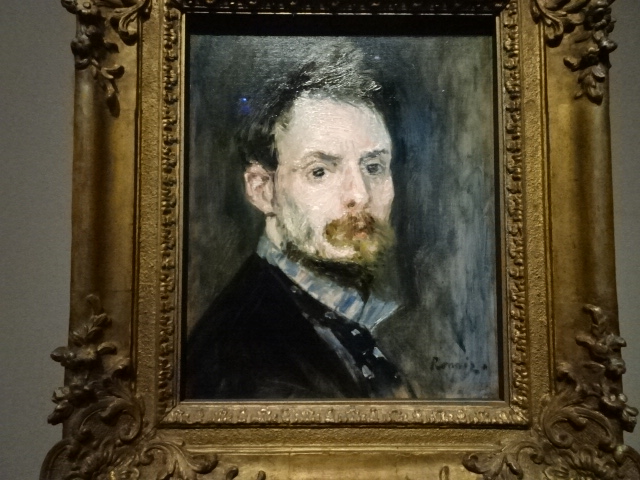
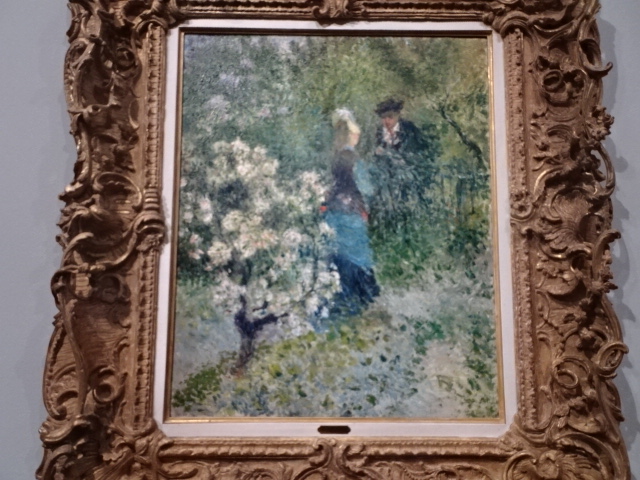
There are museum exhibitions you admire, and then there are exhibitions that leave you enchanted long after you’ve stepped back onto the streets of Paris. Renoir et l’amour: La modernité heureuse (1865-1885) (Renoir and Love: A Joyful Modernity) at the Musée d’Orsay is very much the latter—a luminous celebration of beauty, romance, friendship and the simple pleasures of everyday life that reminds visitors why Pierre-Auguste Renoir remains one of Impressionism’s most beloved masters.
Running through July 19, 2026, this major exhibition marks the first large-scale Renoir retrospective in Paris in decades, inviting visitors to rediscover the artist through a fresh lens. Rather than presenting him merely as a painter of pretty faces and idyllic scenes, the exhibition argues that love itself—between couples, friends and communities—was the guiding principle behind Renoir’s revolutionary vision of modern life.
The beautifully curated exhibition gathers more than 50 paintings created between 1865 and 1885, drawn from the Musée d’Orsay’s own extraordinary holdings along with exceptional loans from prestigious museums across Europe and North America, including the J. Paul Getty Museum, The Phillips Collection in Washington, D.C., Nationalmuseum Stockholm, the Museum of Fine Arts, Boston, and the National Gallery in London. Many of these masterpieces rarely travel, making this an especially remarkable opportunity for visitors.
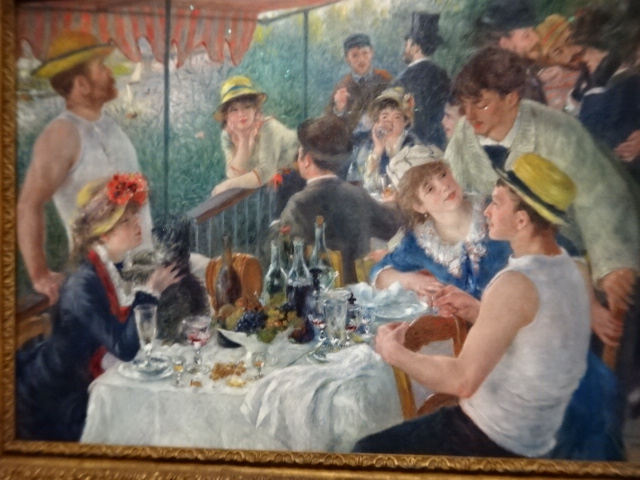
Among the undeniable stars is Bal du moulin de la Galette, Renoir’s joyous 1876 masterpiece celebrating dance, music and Parisian nightlife. Nearby hangs the breathtaking Le Déjeuner des canotiers (Luncheon of the Boating Party), reunited with Paris thanks to a rare loan from Washington’s Phillips Collection. Its gathering of friends overlooking the Seine remains one of the defining images of Impressionism and one of the most crowd-pleasing paintings ever created. Visitors also linger before Dance at Bougival, La Promenade, La Grenouillère, and the fascinating early work Cabaret de la mère Antony, each illustrating Renoir’s remarkable ability to capture fleeting moments filled with warmth and humanity.
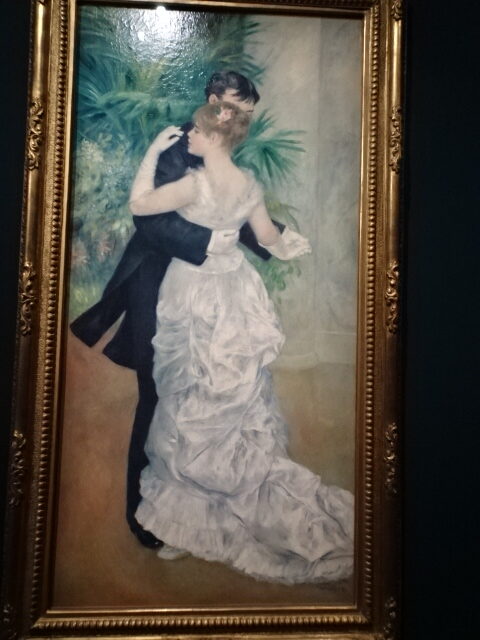
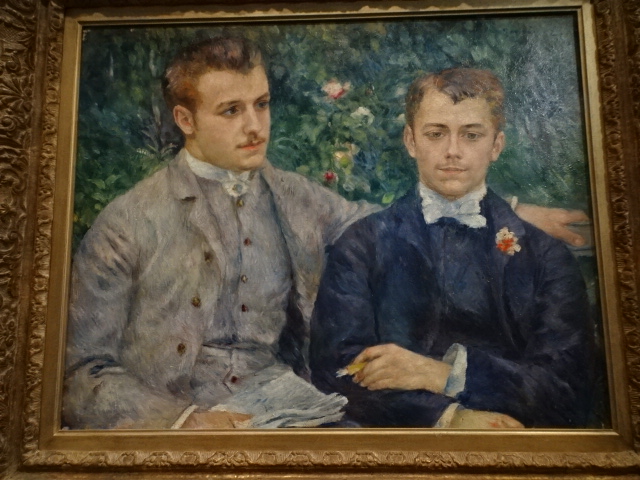
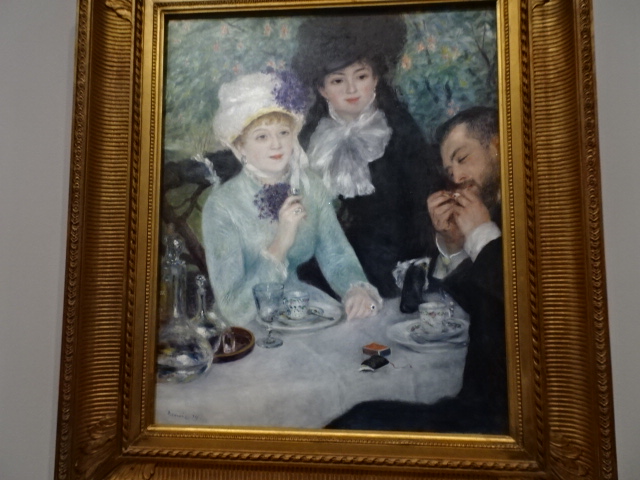
What makes Renoir and Love especially rewarding is its storytelling. The galleries unfold almost cinematically, transporting visitors from elegant boulevards and bustling cafés to riverside restaurants, leafy gardens and lively dance halls. Everywhere there are conversations, flirtations, friendships and celebrations—painted with Renoir’s unmistakable shimmering brushwork and radiant palette. His figures never seem posed; they breathe, laugh and connect in ways that still feel surprisingly modern more than 140 years later.
The Musée d’Orsay itself provides the perfect setting. Housed in the magnificent former Beaux-Arts railway station overlooking the Seine, the museum has long been considered one of the world’s premier homes for Impressionism. During this exhibition, its galleries are filled with appreciative visitors from around the globe who pause, linger and often return for a second look at these familiar masterpieces now presented in a compelling new context. The atmosphere is one of quiet wonder, proving that great art can still stop us in our tracks.
Whether you’re a lifelong admirer of Impressionism or discovering Renoir for the first time, Renoir and Love is one of the cultural highlights of Paris in 2026. It is a graceful reminder that amid the rapid changes of modern life, Renoir believed joy, companionship and human connection were timeless subjects worthy of the grandest canvases.
Leave plenty of time after the exhibition to wander through the museum’s permanent Impressionist galleries, including iconic works by van Gogh and Monet. Seen together, they reinforce just how profoundly Renoir—and the movement he helped shape—changed the course of art history. It’s an unforgettable experience, and one that deserves a place at the very top of every Paris itinerary this summer.