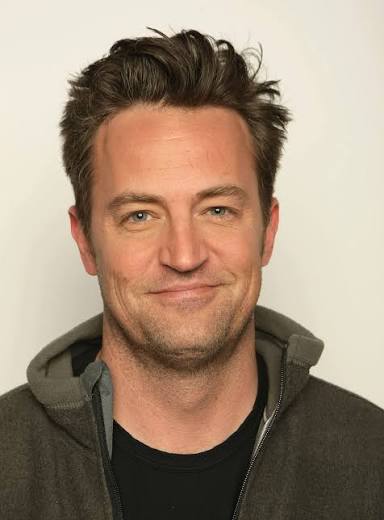
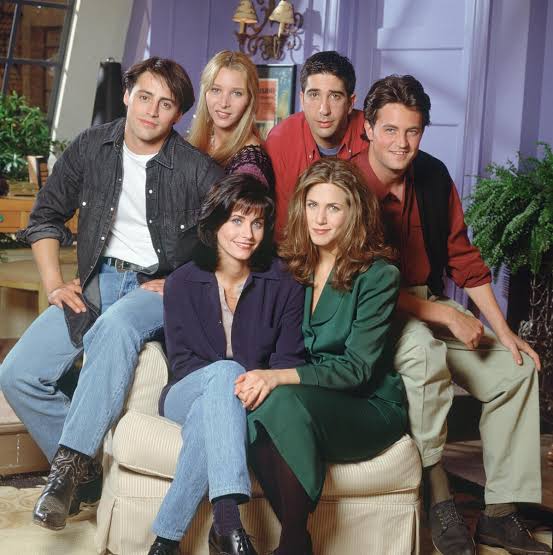
Matthew Perry spent a decade making audiences laugh as Chandler Bing on Friends, turning sarcasm, self-deprecation and romantic awkwardness into a television comedy legacy. But behind the impeccable timing and wisecracks was a man fighting a deeply personal battle that he would spend much of his life trying to overcome.
That contrast between the beloved sitcom star and the troubled, complicated man behind the character is at the heart of The One About Matthew Perry, a new three-part documentary series now streaming on Netflix. Premiering Oct. 27, nearly three years after Perry’s death at 54, the intimate portrait draws on interviews with his family, lifelong friends and professional collaborators, along with previously unreleased photographs and videos from the Perry family’s private archive.
Directed by Emmy-winning filmmaker Mary Robertson, whose credits include Quiet on Set: The Dark Side of Kids TV, the series attempts to get beyond the familiar image of the quick-witted actor and explore the complicated reality of a life shaped by extraordinary success, persistent addiction and an enduring desire to help others confronting similar struggles.
Robertson’s approach is not to present an uncomplicated celebration of a star whose death shocked millions. Instead, she aims to honor both the happiness Perry brought to others and the painful experiences that shadowed his own life.
The result is a portrait of a man whose comedy was a gift to the world, even as his private life was often far less lighthearted.
The price of fame
One of the documentary’s most revealing threads is the extraordinary speed with which Perry’s Hollywood ambitions became reality. Before he became a household name, he was a young actor hoping for a break. His prayer for fame was answered when he landed the role of Chandler in Friends, which premiered in 1994 and ran for 10 seasons.
The series made Perry an international star, but it also cemented a public image that obscured some of his private pain. Chandler’s humor often served as a defense against insecurity and emotional vulnerability, qualities that Perry acknowledged were familiar to him personally.
The documentary explores the irony of an actor who could make millions of people laugh while struggling to find lasting happiness himself. Perry’s comedic gifts were undeniable, but fame was never the cure-all he had imagined it would be.
His story also extended well beyond Central Perk. After Friends ended in 2004, Perry pursued other opportunities, including Aaron Sorkin’s Studio 60 on the Sunset Strip and his own ABC comedy, Mr. Sunshine. Neither enjoyed the longevity of his signature sitcom, and his sister, Mia Perry Bowick, reflects on how his health struggles complicated his efforts to build a second act.
A family’s painful perspective
Perhaps the series’ most important contribution is the participation of Bowick, who speaks on camera about her brother for the first time. Her testimony brings a perspective that celebrity retrospectives often lack: the experience of loving someone whose illness repeatedly threatened to overwhelm him.
Bowick recalls how the family gradually came to understand the severity of Perry’s addiction. His struggles were not a brief detour from an otherwise glamorous existence but a recurring battle that affected his work, relationships and ability to maintain sobriety.
The documentary traces the roots of his dependence to pain medication he received after a Jet Ski injury while filming the 1997 romantic comedy Fools Rush In, opposite Salma Hayek. Perry described the powerful euphoria he experienced after taking Vicodin. What followed was a long, painful cycle of treatment, recovery and relapse.
At one point, he stepped away from a film production to seek help, acknowledging that he had reached a point where he questioned whether he would survive. According to Bowick, he spent millions of dollars over his lifetime trying to get sober.
These details are difficult to hear, particularly because viewers know how the story ends. Yet the documentary does not reduce Perry to his addiction. It gives space to his humor, his affection for the people closest to him and the determination that repeatedly brought him back to treatment.
His longtime friends also provide an essential counterweight to the public narrative. These were the people who knew him before the fame, who remained connected to him through his ups and downs, and who could remember the young man as well as the celebrity.
The friends behind Friends
One notable aspect of The One About Matthew Perry is that his five Friends co-stars do not give interviews. They appear through archival footage, but the filmmakers instead concentrate on Perry’s longtime personal friends, family members and colleagues.
That decision gives the series a different texture from a conventional celebrity reunion or a nostalgic look back at a hit sitcom. Rather than relying on familiar Hollywood faces to explain the actor, it allows those who knew him away from the spotlight to tell the story.
Among the interviewees are former NBC Entertainment president Warren Littlefield, who helped bring Friends to television, and actor Kevin Pollak, Perry’s friend and co-star in The Whole Nine Yards and The Whole Ten Yards. Director Jonathan Lynn, who worked with Perry on The Whole Nine Yards, also reflects on the actor’s unrealized potential.
Their recollections illuminate both his professional promise and the personal cost of his struggles. Perry was more than the character who made him famous; he was an actor with ambitions beyond sitcom comedy, a writer and performer who wanted to explore other creative territory.
His play The End of Longing, which premiered in London’s West End in 2016, was especially meaningful to his sister. The work’s engagement with addiction and recovery offered a glimpse of the more personal stories Perry wanted to tell.
A legacy beyond the tragedy
Perry’s death in October 2023, attributed to the acute effects of ketamine, prompted widespread grief and renewed attention to his history of addiction. The legal case surrounding his death also exposed the role of people who supplied him with the drug. But the new documentary is not structured primarily as a true-crime investigation. Its focus remains on Perry’s life, relationships and legacy.
That legacy includes his willingness to speak publicly about addiction and his efforts to help others. Perry’s candor made him an important voice in conversations about recovery, even as his own progress remained painfully difficult to sustain.
The series’ greatest strength is its refusal to treat his story as either a fairy tale about a beloved star or a cautionary tale defined solely by his death. It acknowledges the contradictions: a man whose wit brought joy to millions, whose generosity left a lasting impression on friends, and whose private struggles could not be solved by money, fame or access to treatment alone.
There is an unavoidable sadness in watching Perry’s life unfold with the benefit of hindsight. Every glimpse of his comic brilliance recalls what audiences loved about him, while every account of his struggles underscores how much more there was to his story than the world could see.
Ultimately, The One About Matthew Perry asks viewers to look past Chandler Bing without losing sight of the character’s importance. Perry gave audiences a decade of laughter and continued to entertain them long afterward. The documentary offers something different: a more intimate understanding of the man who made that laughter possible, the people who loved him, and the difficult legacy he leaves behind.